OVERVIEW
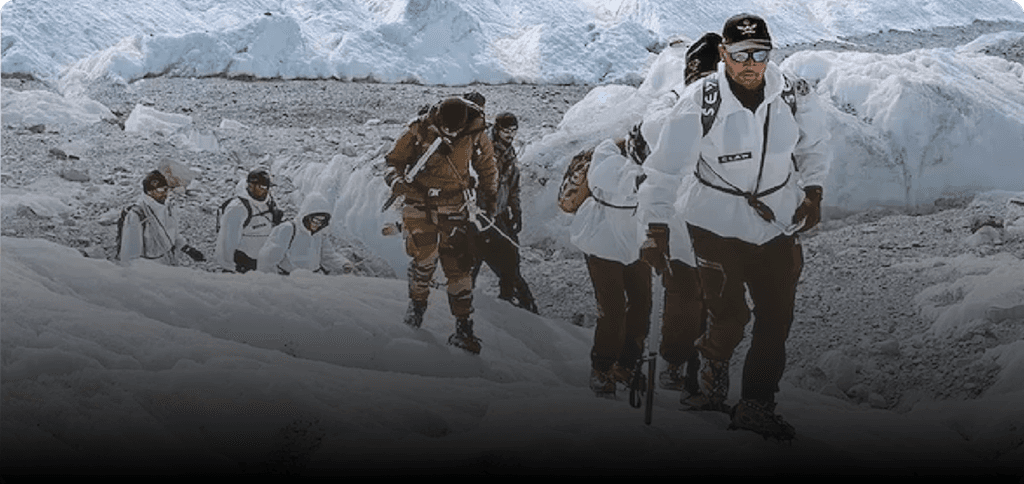
At altitudes above 18,000 feet, Siachen soldiers endure not just enemy threats — but brutal cold, isolation, and extreme physical strain. One of their biggest burdens? The gear they carry. This project aimed to strategically reduce that load by integrating smart thermal technology directly into their clothing system.
Through extensive research, material study, and technical prototyping, I designed an embedded heating mechanism that supports core body warmth without adding external weight. The goal was to develop a modular, energy-efficient layerthat blends seamlessly into their uniform — enhancing mobility, reducing fatigue, and improving survivability in some of the world’s harshest conditions.
Location
Jaipur, India
Duration
3 Weeks
Tools Used
Figma, Blender, Miro, AI Tools
Key Focus Area
Inclusive UI, Accessible Physical-Digital Systems, Simplified Task Flow, Multi-sensory Feedback
Target Audience
Indian soldiers deployed at Siachen Glacier
PROBLEM STATEMENT
Soldiers stationed at the Siachen Glacier face extreme sub-zero temperatures while carrying loads exceeding 20 kg — including bulky, layered clothing that offers warmth but limits mobility.
Existing gear lacks lightweight thermal support and forces soldiers to depend on excessive layering, which adds weight and reduces efficiency. In these high-risk environments, even minor improvements in comfort and mobility can be life-saving.
The challenge: How might we integrate heating systems into military clothing to reduce weight, preserve energy, and support survival — without compromising movement or function?
DESIGN PROCESS
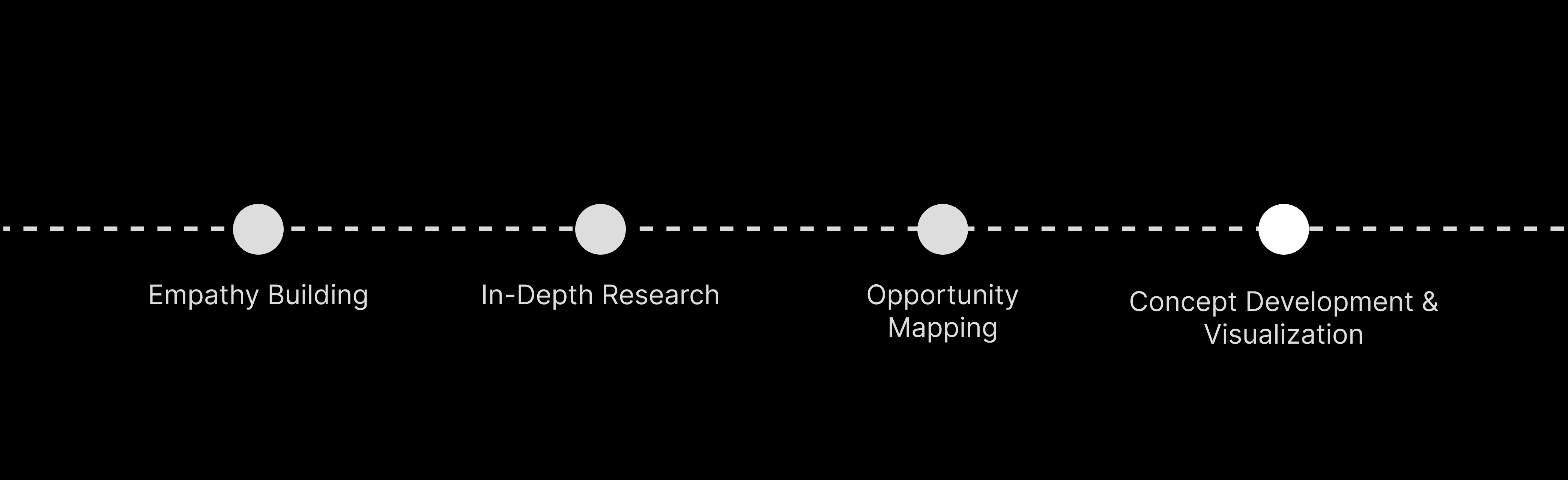
From cold data to warm design — a research-led approach to tech-embedded survival gear.
RESEARCH INSIGHTS
Designing for Siachen meant understanding more than just temperature data — it required digging deep into the physical strain, mental resilience, and systemic limitations that define life at 18,000+ feet.
Secondary Research
Through detailed analysis of soldier documentation, government reports, and thermal physiology studies, several critical patterns emerged:
Extreme Climate: Temperatures in Siachen can drop below –40°C, with bone-cutting winds and limited daylight. Soldiers face risks of frostbite, hypothermia, and disrupted circadian rhythms, even inside tents. 6-8 hr of Daylight.
Heavy Gear: The standard clothing system includes 6–7 layers, often adding 30–35 kg of overall load — limiting mobility, increasing fatigue, and straining energy reserves.
Outdated Solutions: While DRDO introduced the ECWCS system in 2015, the gear is still primarily passive — relying on insulation instead of active regulation. Existing heating devices (e.g., heated boots) are isolated and insufficient.
Existing Solutions & Tech Benchmarking
While several garments and gear systems claim to support extreme cold environments, most existing solutions fall short when applied to Siachen-specific use cases — where mobility, weight, energy independence, and reliability are non-negotiable.
I analyzed multiple military-grade and commercial cold-weather systems to identify gaps in functionality, material choice, and thermal logic.
Key Systems Analyzed
ECWCS (India) | ECWCS Gen III (U.S. Army) | Vollebak & Consumer Smart Jackets (e.g., ORORO, Venture Heat) | DRDO's Heated Boot Systems |
|---|---|---|---|
Strengths: Layered warmth, insulation
| Strengths: Breathability, improved weight distribution | Strengths: Integrated heat panels, battery-powered warmth, sleek forms | Strengths: Focused warmth for extremities |
Limitations: Bulky, entirely passive, no embedded tech, outdated for active duty in sub-zero mobility zones. | Limitations: Still passive, no active heating layers or targeted thermal control | Limitations: Not designed for combat zones, short battery life, not optimized for layered tactical gear or movement-intensive environments | Limitations: Localized, not scalable for full-body thermal support; separate system from the uniform |
Gaps Identified Across Benchmarks:
❌ Lack of core-body targeted thermal zones
❌ No modular power system (battery + charging) optimized for extreme cold
❌ No embedded solution that reduces overall gear weight
❌ No system designed for long-wear comfort + easy maintenance
❌ Poor integration between tech modules and physical garments
Primary Research
Using the snowball sampling method, I reached out to individuals with firsthand or secondhand experience in high-altitude deployment — including soldiers, logistics officers, and defense researchers.
Key Themes That Emerged:
“We carry our lives on our backs.”
Soldiers described gear as both protection and burden — with clothing often being the heaviest, least flexible layer.Battery anxiety is real.
“Don’t give us something we need to keep checking.” Most soldiers don’t want gear that requires constant management — especially when power is limited or gloves restrict handling.Heat zones matter.
It’s not about warming the whole body — it’s about warming the right places: chest, lower back, and core. Legs and arms can move, but the vital areas need passive support.Minimal interference, maximum impact.
Tech must disappear into the fabric of their routine. No charging rituals, no breakdown risks, no distractions.
Humanizing the Mission
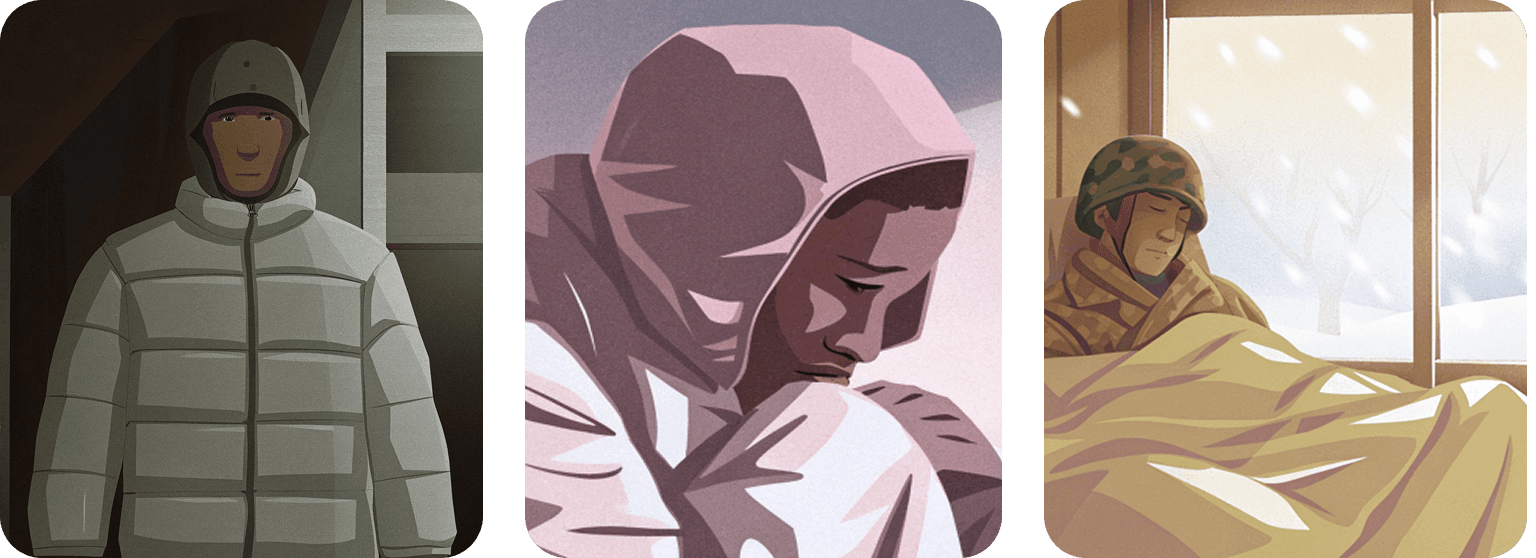
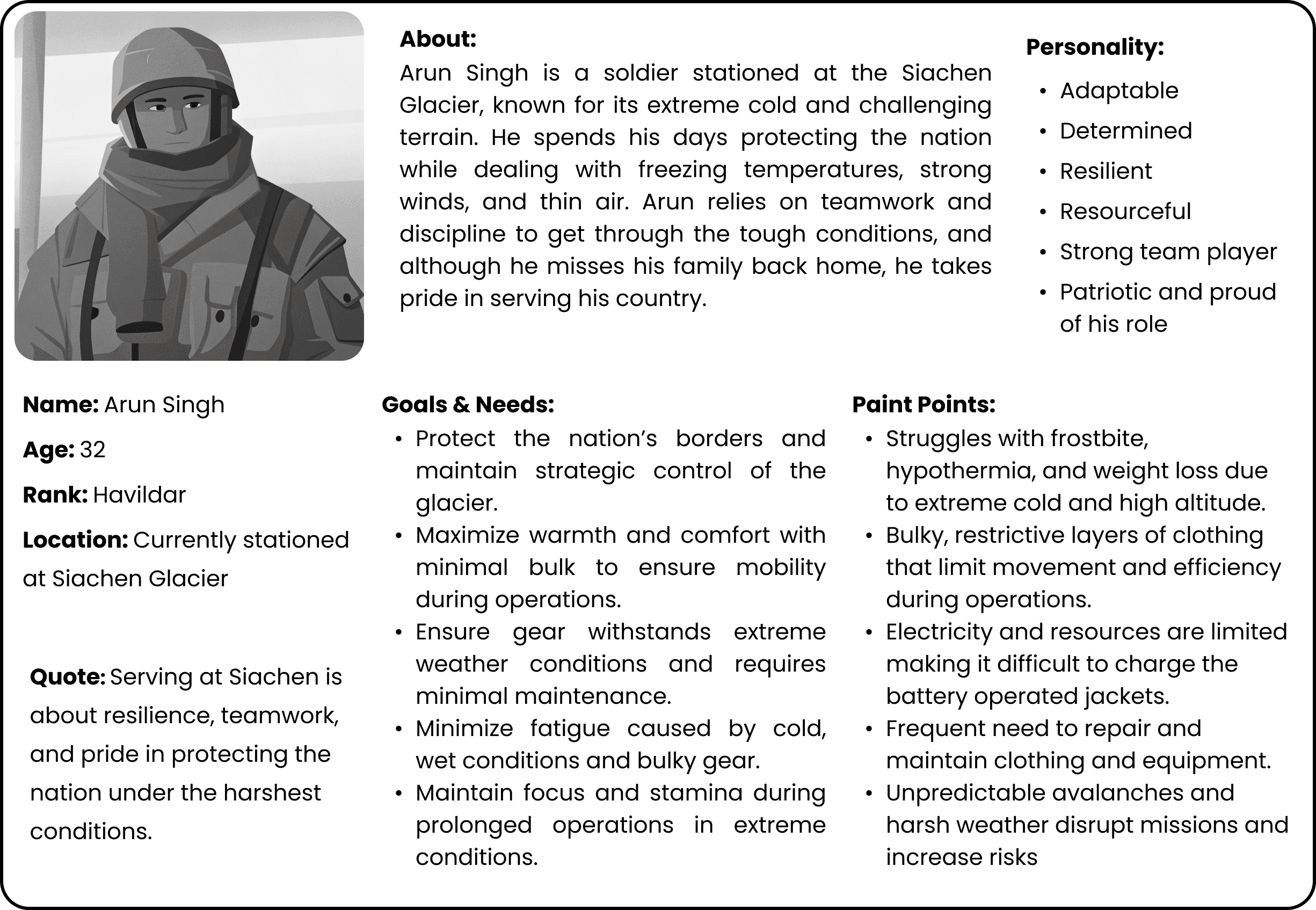
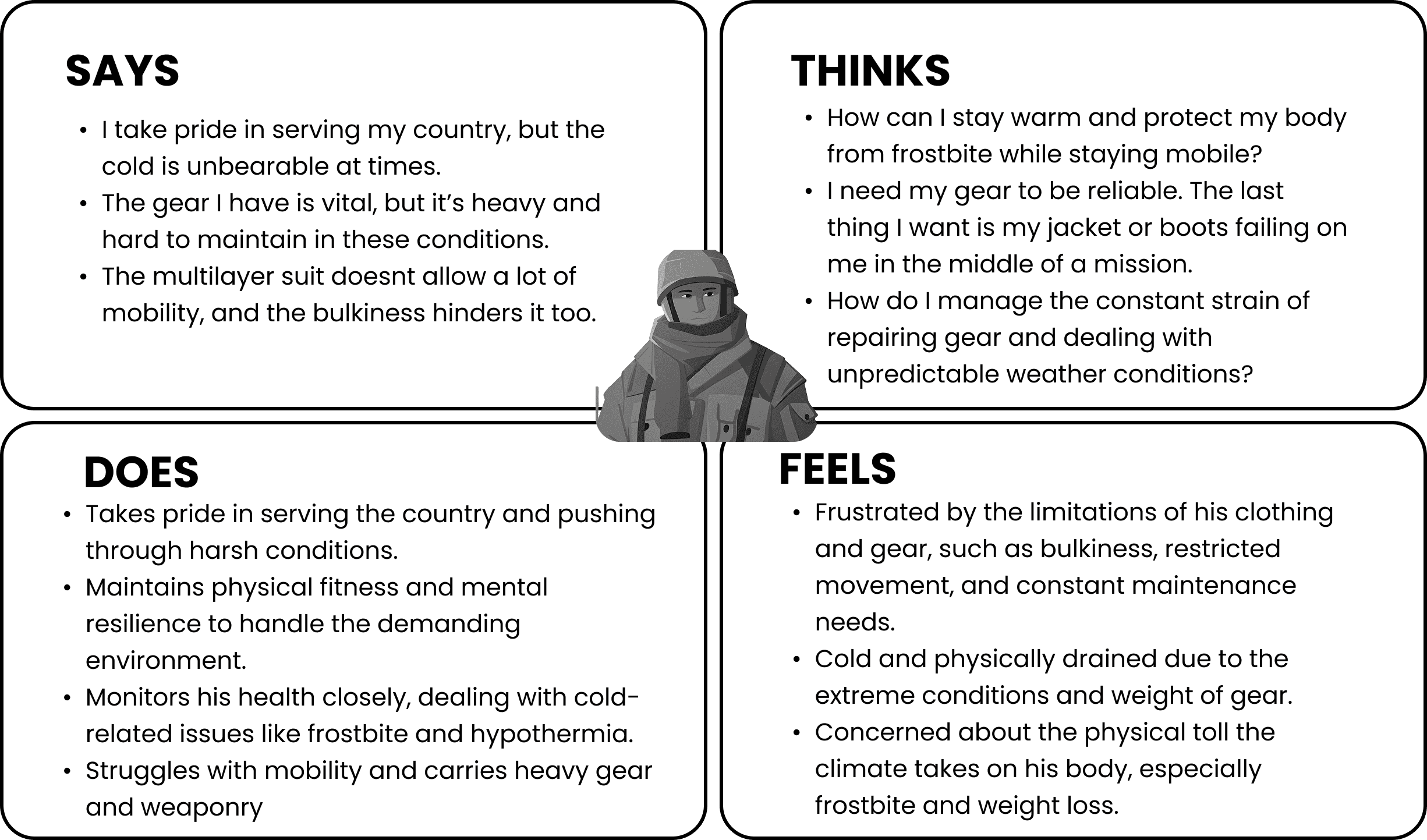
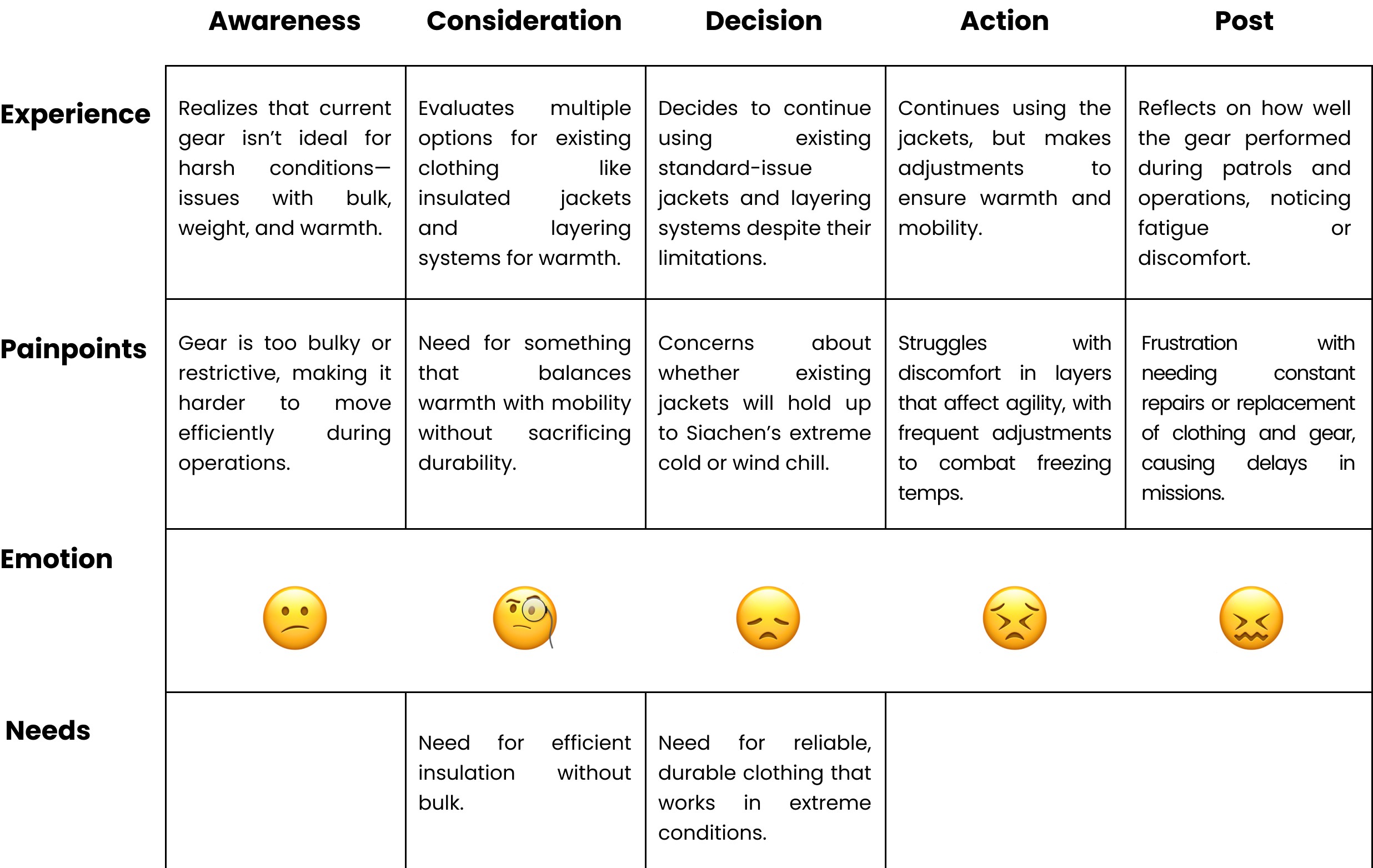
Designing for extreme environments isn't just about materials and mechanics — it's about people. To ensure the solution remained rooted in the lived experience of Siachen soldiers, I created a detailed persona, supported by an empathy mapand user journey map.
These tools helped translate research insights into emotional realities — highlighting moments of stress, discomfort, and vulnerability that traditional gear often overlooks. They served as a constant reminder that the goal wasn't just warmth, but relief, trust, and dignity.
Persona
Empathy Map
Customer Journey Map
IDEATION & CONCEPT DEVELOPMENT
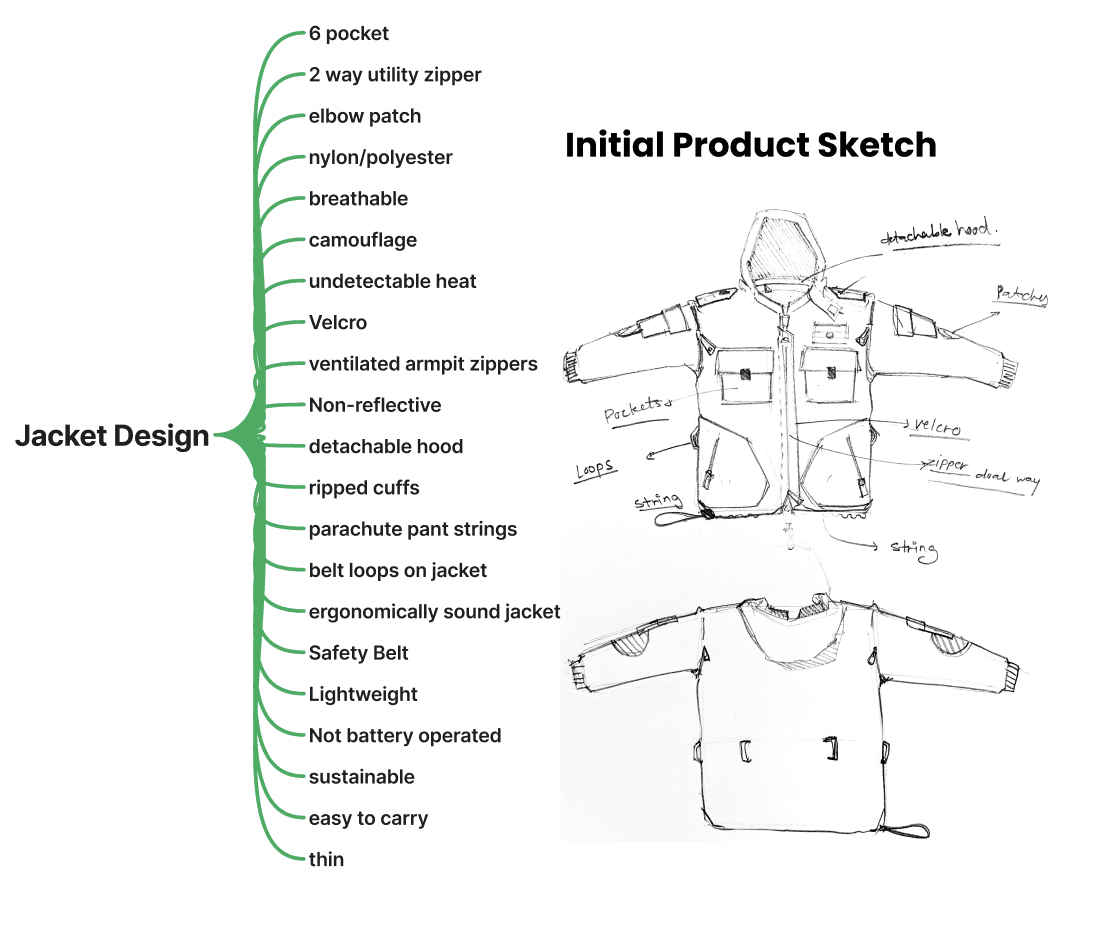
With clear pain points and opportunity zones mapped, I began conceptualizing a system that could deliver targeted warmth without adding bulk, battery anxiety, or maintenance strain. The goal wasn’t to innovate around dependency — it was to design intelligent clothing that supports survival passively, reliably, and safely.
Rather than relying on battery-powered systems (which pose safety risks in extreme cold and have led to blast incidents in consumer jackets), I focused on tech-integrated materials that respond to body heat and environmental triggers.
Concept Priorities:
Targeted Heat Zones
Focused thermal support for vital areas like the chest, spine, and lower back — zones that regulate core temperature and endurance.Material-Led Heating Logic
Explored smart materials like carbon fiber threads, conductive textiles, and PCM (Phase Change Materials)that store and release heat in sync with body temperature — eliminating the need for battery dependence.Lightweight Circuit Integration (Exploratory)
Wire-safe heating logic embedded through carbon alloy threads — designed to be durable, frost-resistant, and seamlessly layered within insulation.Comfort Under Movement
All elements were sketched to adapt to motion-heavy routines — avoiding stiffness or overheating, and remaining flexible during long marches or static patrols.
SOLUTION
Rooted in extensive research and grounded in human-centered needs, the final solution proposes a tech-integrated jacket system that eliminates battery dependence while optimizing warmth, mobility, and reliability. The design uses advanced material logic to create a self-regulating thermal experience — allowing soldiers to focus on their mission, not their discomfort.
Key System Features
Multi-Layered Smart Construction
Inner Layer: Wool blend to retain natural body heat
Middle Layer: Microencapsulated PCM (Phase Change Materials) that store and release heat as body temperature fluctuates
Insulation Layer: Aerogel or Thinsulate™ for lightweight but powerful thermal retention
Outer Layer: Waterproof and windproof nylon or Gore-Tex shell for durability and weather resistance
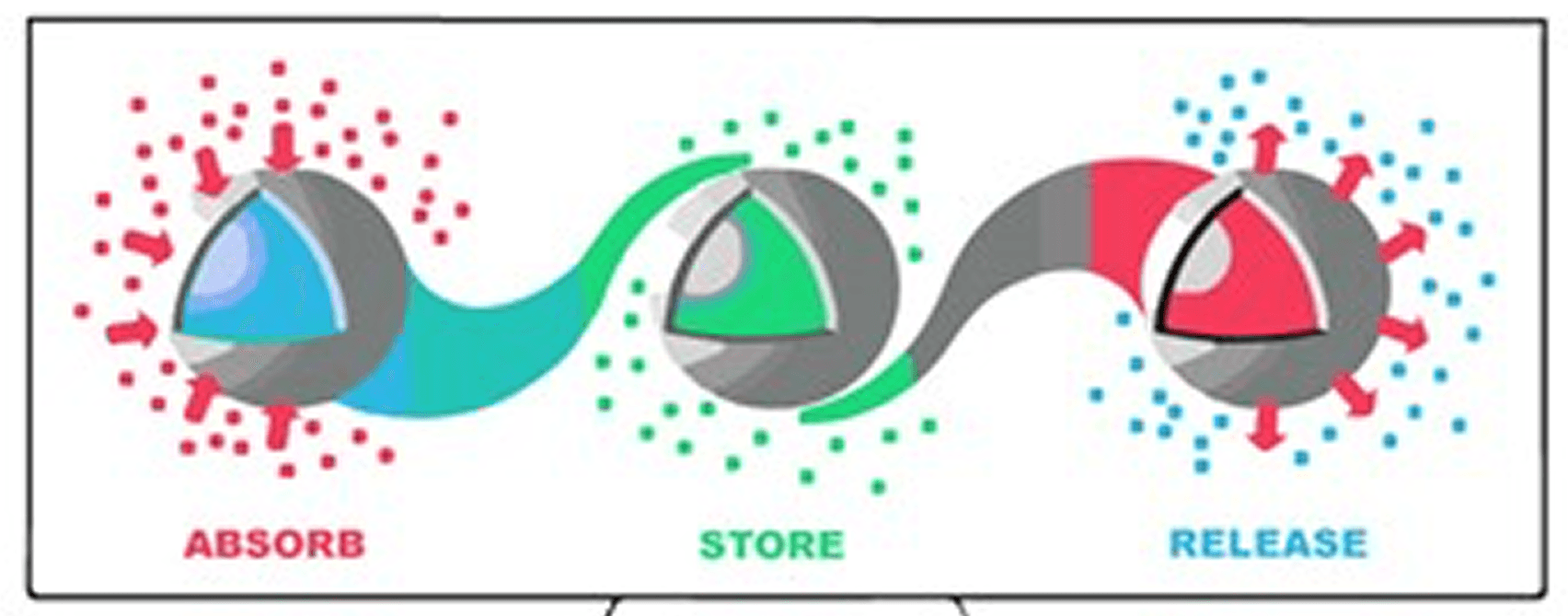
How PCM Works:
PCMs absorb excess body heat during movement or daytime warmth, storing it as latent energy
As temperatures drop (like during rest or sub-zero exposure), the material releases the stored heat, helping maintain core warmth
This phase shift (from solid to liquid and back) is silent, self-regulating, and endlessly repeatable
Think of it like a thermal battery — but organic, passive, and completely embedded into the fabric.
Integrated, Not Added On:
The PCM is microencapsulated and layered into the jacket’s middle section (between wool and aerogel)
It activates automatically, without buttons, settings, or power
This method reduces the risk of overheating or underheating, ensuring consistent thermal comfort in dynamic conditions
By choosing material intelligence over battery dependency, the jacket becomes not just wearable — but responsive, safe, and quietly smart.
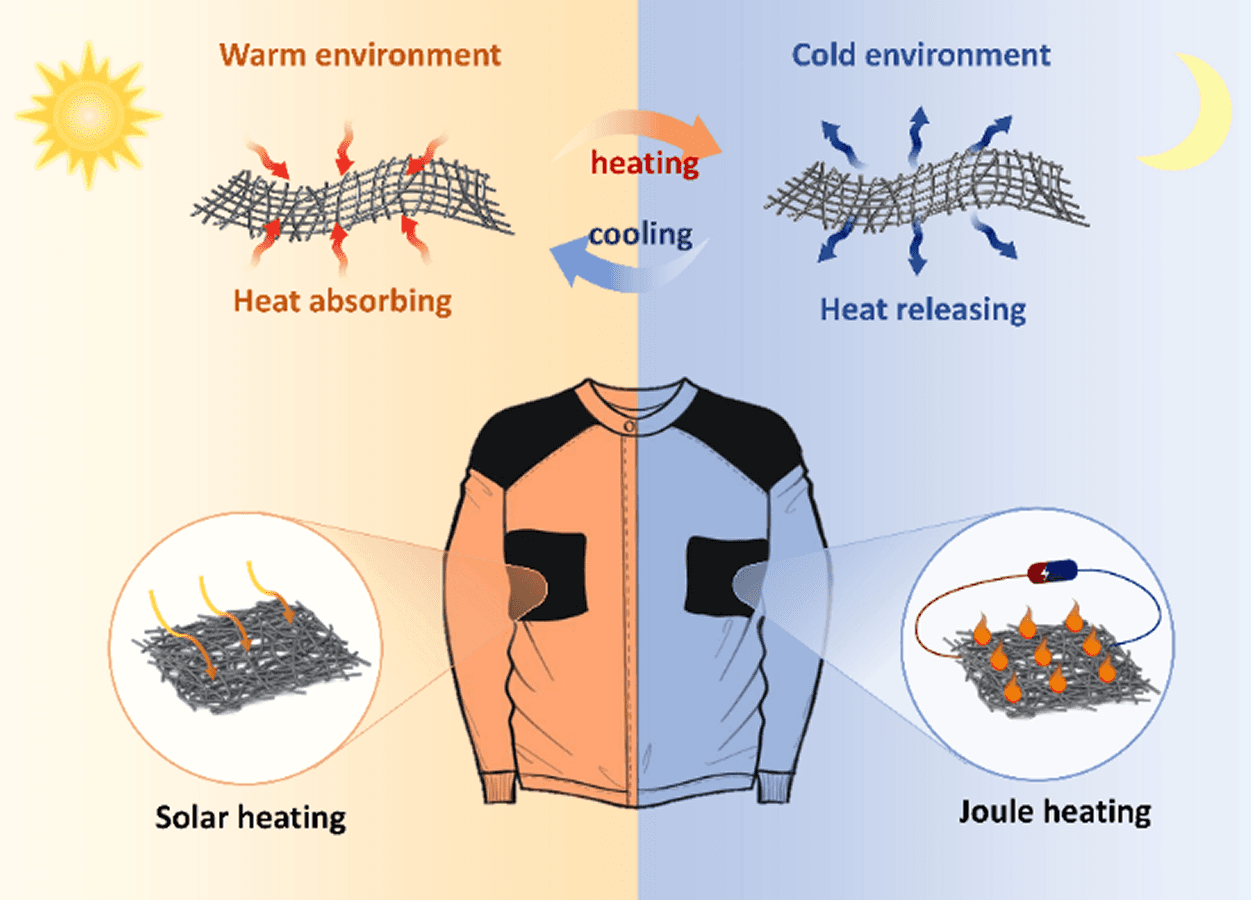
Heat Management — Without Batteries
Uses conductive polymers and PCM-infused fibers to create passive heating systems that activate in response to temperature drops
Zones are strategically mapped to heat vital organs (chest, back, kidneys) without overheating or increasing sweat
Entire system is non-electronic, eliminating risk of battery failures or thermal shocks in sub-zero temperatures
Sustainability & Maintenance
All materials are reusable and recyclable, including aerogels and Thinsulate™
The modular nylon shell allows damaged parts to be replaced instead of discarding the full jacket
Designed to be low-maintenance — requiring no charging or calibration
Training workshops proposed for soldiers to understand wear patterns and proper care routines
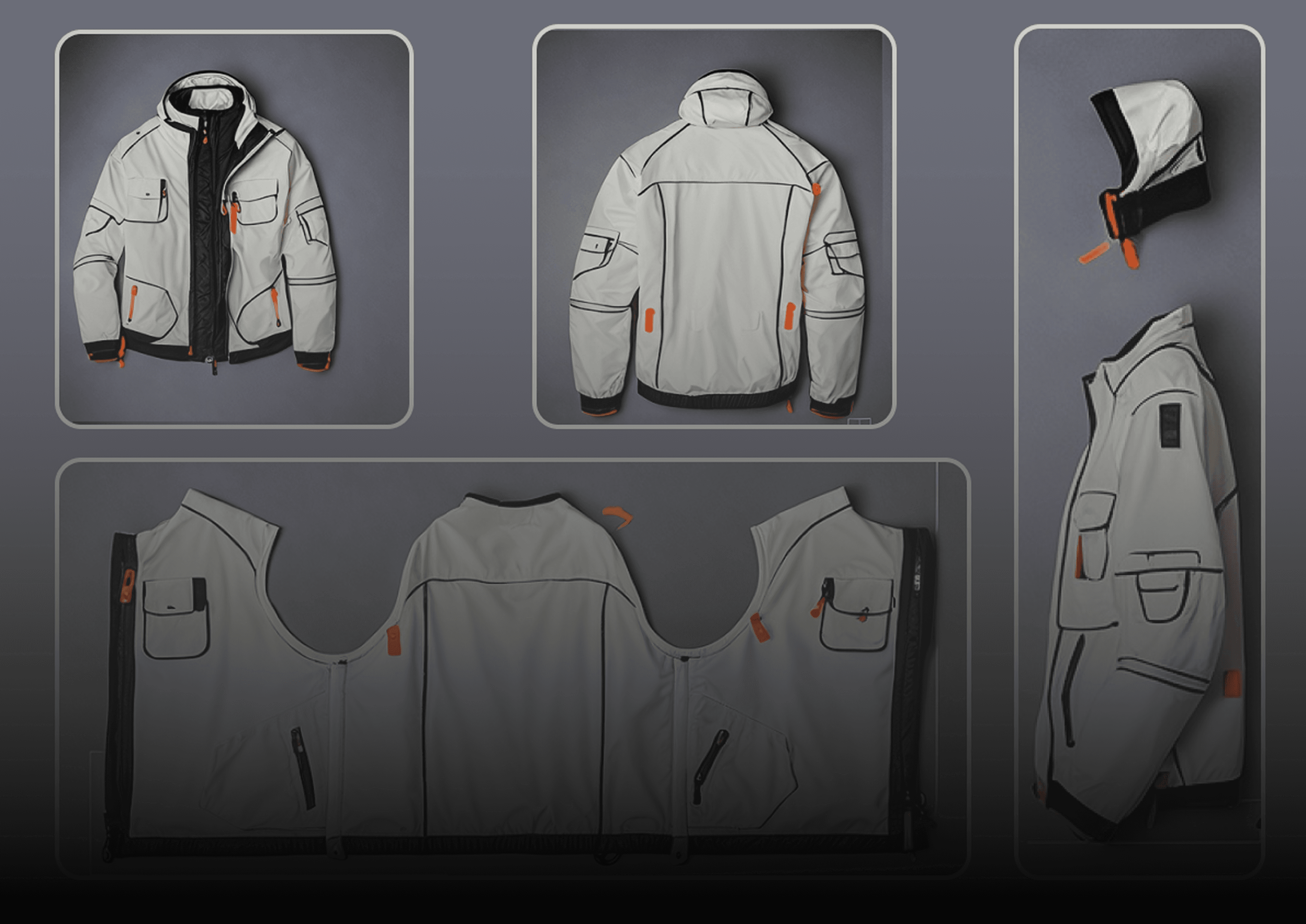
FINAL DESIGN
REFLECTION
Designing for Siachen wasn’t about trends or aesthetics — it was about quiet resilience.
It was about asking how clothing could carry some of the burden, so soldiers didn’t have to.
This project challenged me to think beyond interfaces and into invisible systems — where empathy, research, and technology come together not to impress, but to support.